
Commercial Emergencies & Continuity in Denver City
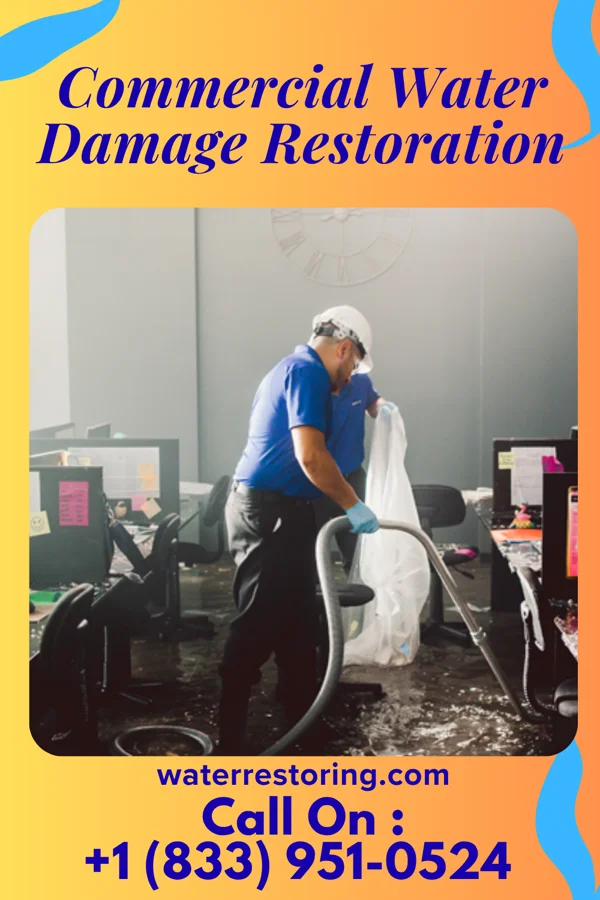
Most water damage emergencies in Denver City start with hurricane and tropical storm damage to commercial roofing and HVAC systems. A close second is fire suppression system discharge and commercial plumbing failure. From the second water touches the property, every minute changes what gets saved and what gets ripped out.
Denver City, Texas experiences a humid subtropical climate with frequent thunderstorms and heavy rainfall, increasing the risk of water intrusion in commercial buildings. The region's warm temperatures and high humidity levels also accelerate moisture accumulation, creating ideal conditions for water damage and mold growth.
Denver City, Texas experiences a humid subtropical climate with frequent thunderstorms and heavy rainfall, increasing the risk of water intrusion in commercial buildings. The region's warm temperatures and high humidity levels also accelerate moisture accumulation, creating ideal conditions for water damage and mold growth. The dominant local driver is hurricane and tropical storm damage to commercial roofing and HVAC systems, with fire suppression system discharge and commercial plumbing failure showing up as the next most common cause. Damage builds in stages. Spread. Absorption. Microbial growth. Structural compromise. Every stage you pass through adds to the final bill.